Case Studies
Learn more about how I've helped businesses define their voice, create buzz about new product features through awareness campaigns, determine how they message about AI, and more.
GitHub
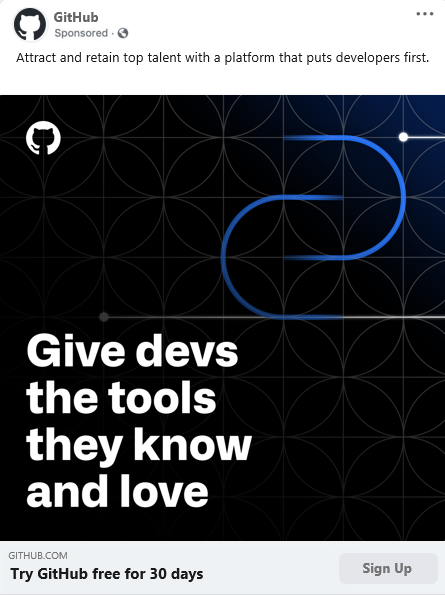
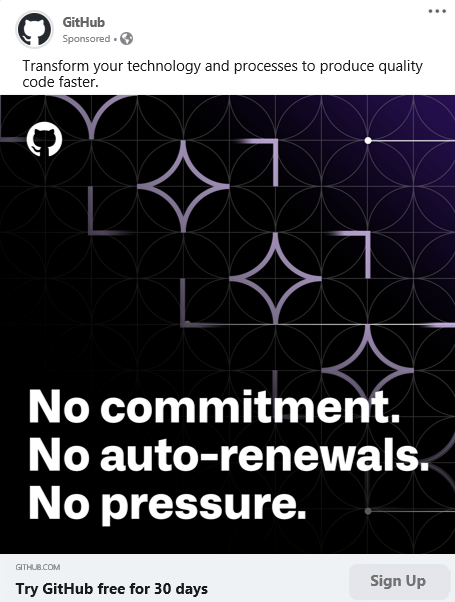
I was tasked with creating messaging for a direct response campaign that combined the more friendly and familiar GitHub voice with the traditional Microsoft B2B voice, which was much more formal. Developers hadn't responded well to GitHub's paid campaigns in the past, so my team was tasked with concepting new creative that was informed by what we already knew about the audience in the paid media space.
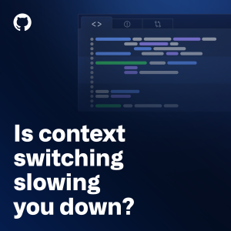
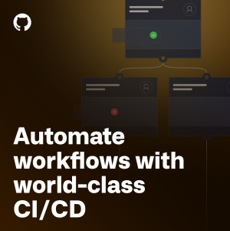
I developed messaging for the campaign using four major pain points developers have with the tools they use for work. Stakeholders enjoyed the campaign creative so much that they chose to run all of the integrations they were given. This initial campaign performed very well and led to me spearheading writing and strategy for more direct-response and lead-generation campaigns.









As anyone who works in online advertising can attest, the digital landscape is constantly evolving, so creatives must learn and adapt as consumer preferences change. I helped adapt messaging and ad concepts to expand paid media campaigns to TikTok, YouTube, and Fandom.
This involved concepting creative strategy and writing voiceover scripts, on-screen ad copy, and video descriptions for TikTok, Instagram Reels, and YouTube Shorts. I worked directly with representatives from Meta and YouTube to optimize messaging and voice to align with platform best practices.
I also had the opportunity to lead copy and collaborate on design concepts for Fandom creative. This involved compiling slides and slides and slides of audience research and working with representatives from Fandom to learn what would sound genuine to developer audiences on their platform. Our ads were well received by the Fandom team and performed well with our audience once they went live.
Channel Expansion - Azure



Audience Research - Azure
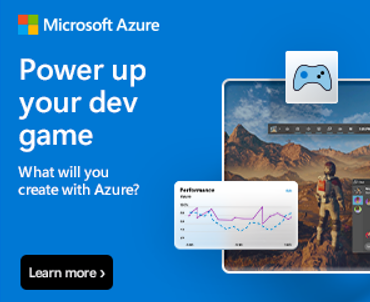
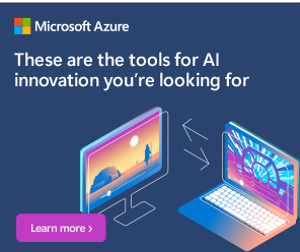
I assisted with audience research among developers and IT decision-makers to help optimize current messaging and evolve product messaging and visual creative for new channels.
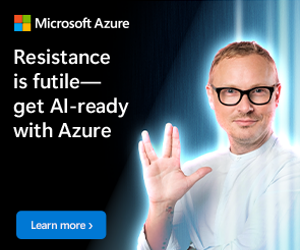
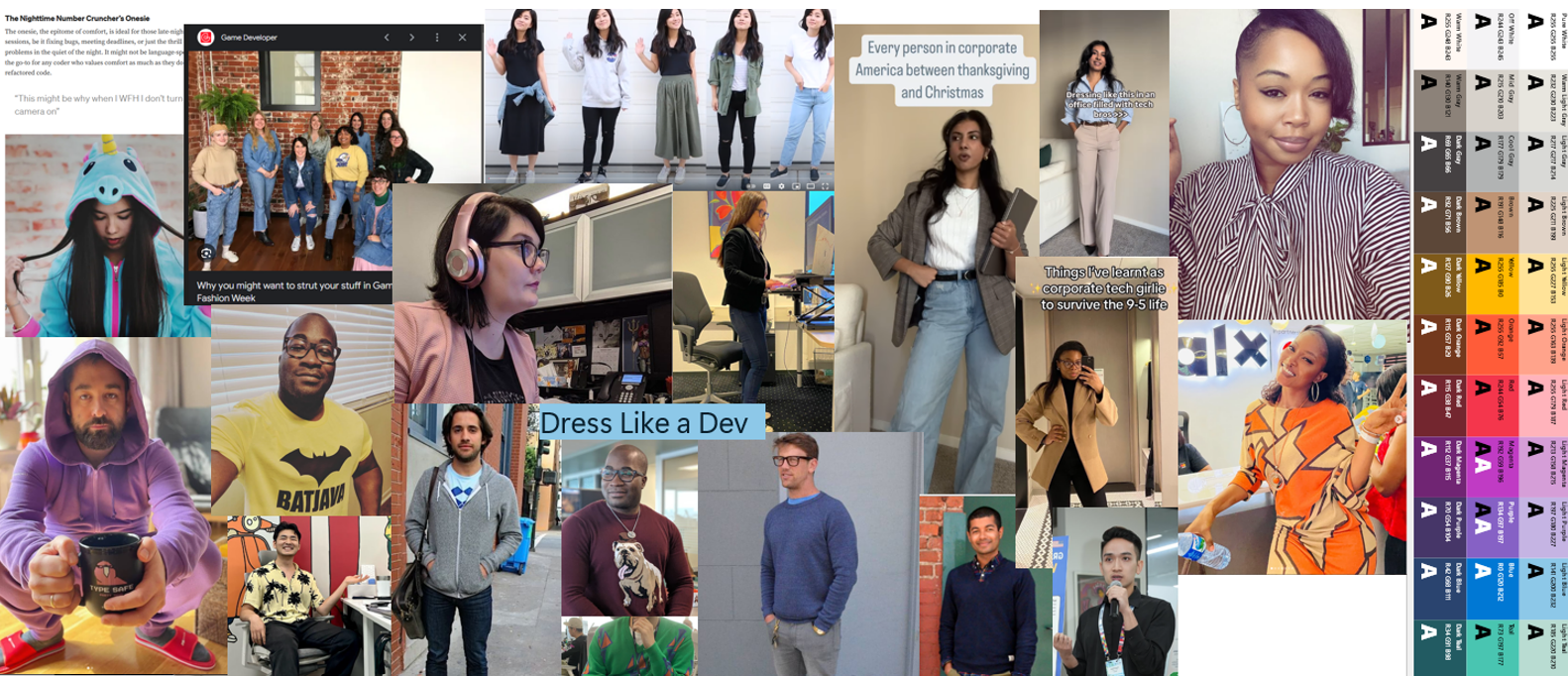
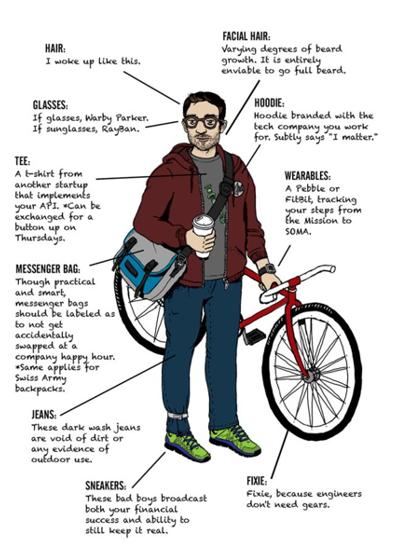
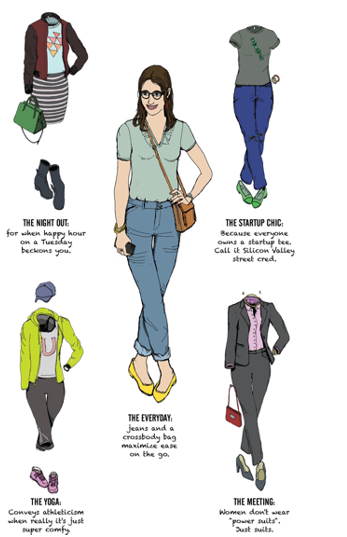
This involved conducting my own research on social media to learn everything I could about developers: how they dress, what they like to do for fun, their favorite media to consume, and even whether the majority prefer Star Wars or Star Trek.
Developers and IT decision-makers were presented with copy that addressed their major pain points and concerns regarding the tools they use every day. Based on feedback, we were able to determine what sounds genuine to the developer audience, which of their pain points they prioritize, and we also identified blind spots in our copy strategy that might have gone overlooked without input from real developers.
After implementing our findings into our messaging and creative strategy, we saw significant increases across key KPIs in all channels.
Copy Optimization - Microsoft 365
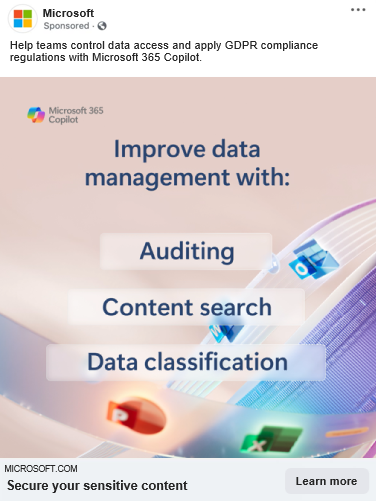
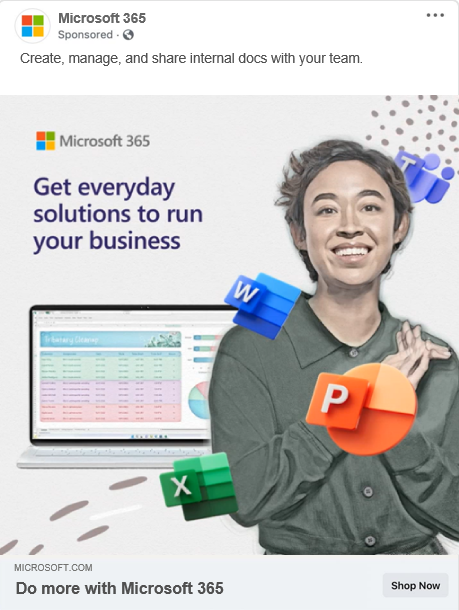
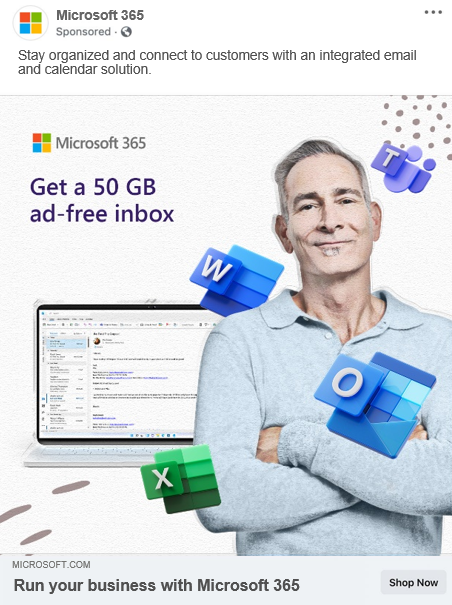
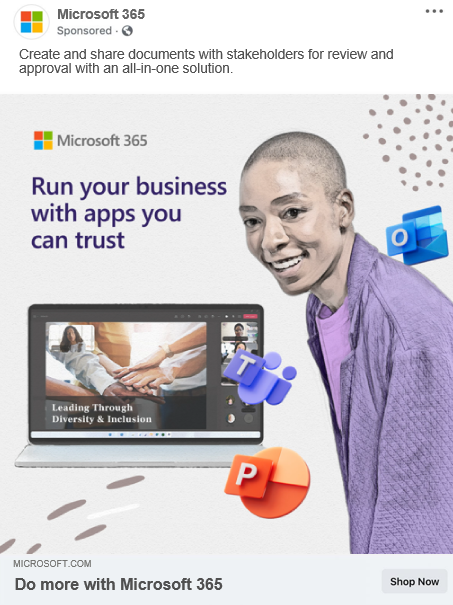
I helped with audience segmentation within the existing Microsoft 365 commercial audience. This included extensive audience and competitor research that culminated in messaging frameworks and voice guidelines for smaller audiences included under the Microsoft 365 commercial umbrella.
With the help of data and AI, I determined which messaging and what voice resonated with different audience segments. I was also able to differentiate which products and services interested which audience segments the most. These findings were then used to optimize campaign creative, which led to performance improvements across most major KPIs.

AI Awareness Campaigns - Microsoft 365
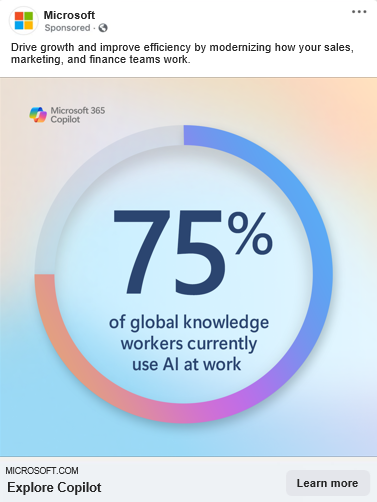
Back when most people still believed there was a choice when it came to AI adoption, I helped create frameworks and strategy for messaging about AI in an informative and approachable way. My major task was to educate business decision-makers on the advantages of AI and how Microsoft Copilot, which many people hadn't heard of at the time, could help their organization.
From this grew a larger exploration of the dos and don’ts of messaging about AI, and results from initial copy messaging tests were used to develop "say this, not that" guidelines for AI-related content.